
UniqueUrn
Sensory Sanctuary: Why Senses Are The Bridge To Healing Children After Loss
May
For a child, the loss of a loved one isn’t just an event; it’s an “emotional vacuum.” While adults attempt to process grief through the lens of logic and reason, a child’s heart speaks a different language—the language of feelings, rhythm, and sensory input.
When words lose their power, understanding the “Psychology of Perception” becomes the key. By creating a “Sensory Sanctuary,” we provide a safe harbor where children can navigate the waves of grief and emerge resilient, guided by our steady hand.

The VARK Model: A Roadmap Through the Fog of Grief
In 1992, Neil Fleming and Colleen Mills introduced the VARK Model, identifying how humans naturally perceive information. When applied to loss, this theory teaches us that “grief has no single form.” Every child requires a different sensory channel to process the cycle of life. Here is how we can use the four pillars of VARK to turn pain into long-term emotional growth.
1. Visual: Art as a Language Beyond Fear
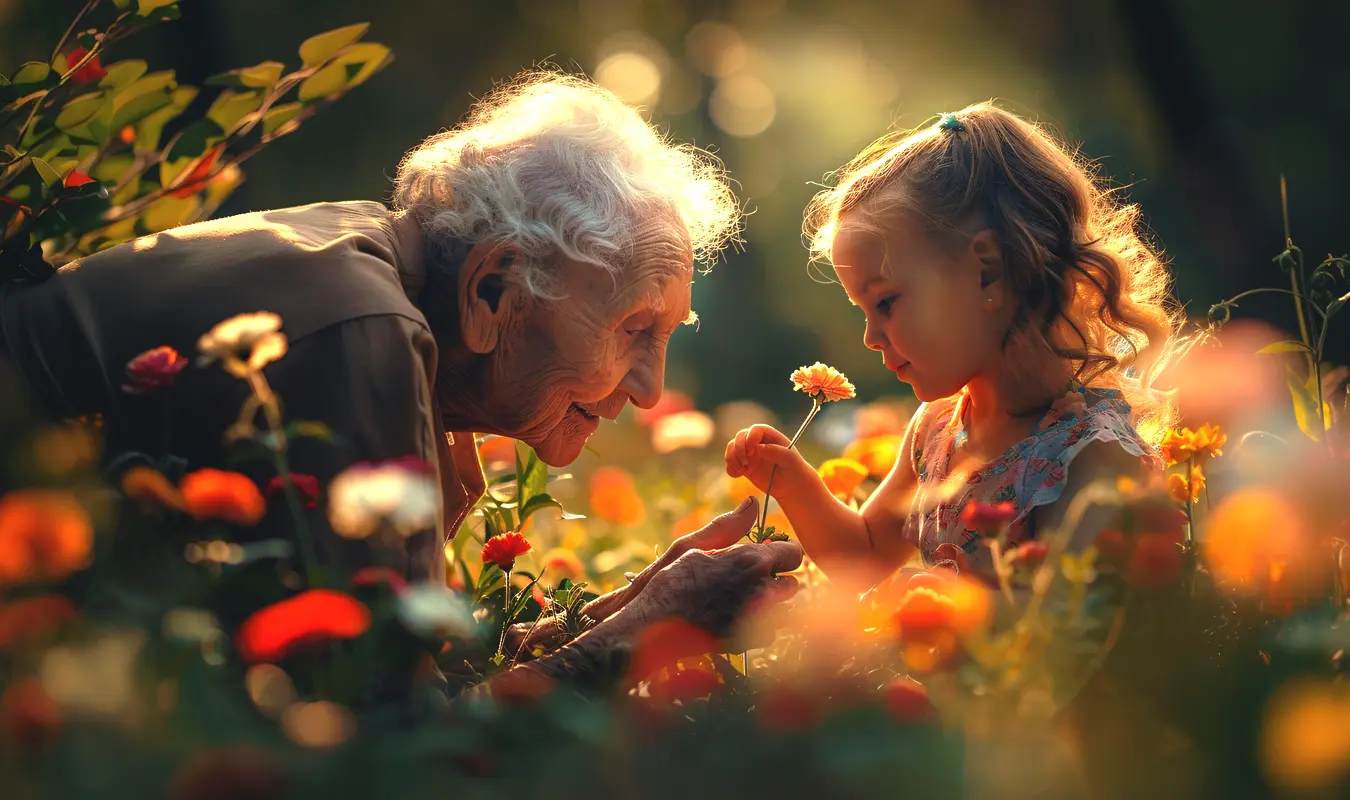
For Visual Learners, death is often a terrifying, blurry image. High-quality visual symbols help them “see” memories in a tangible, beautiful way.
- Anchoring Memories: Instead of darkness, use nature-inspired patterns like the Lotus. Symbolizing purity and rising above suffering, it creates a visual narrative of hope and dignity.
- Color Wisdom: Soft, cool color tones like sky blue or sage green are scientifically proven to lower heart rates and stabilize the nervous system after high-stress events.
- The Power of Modeling: When children see us caring for memorials with respect and gratitude, they learn through Visual Modeling that love does not disappear—it simply transforms into honor.
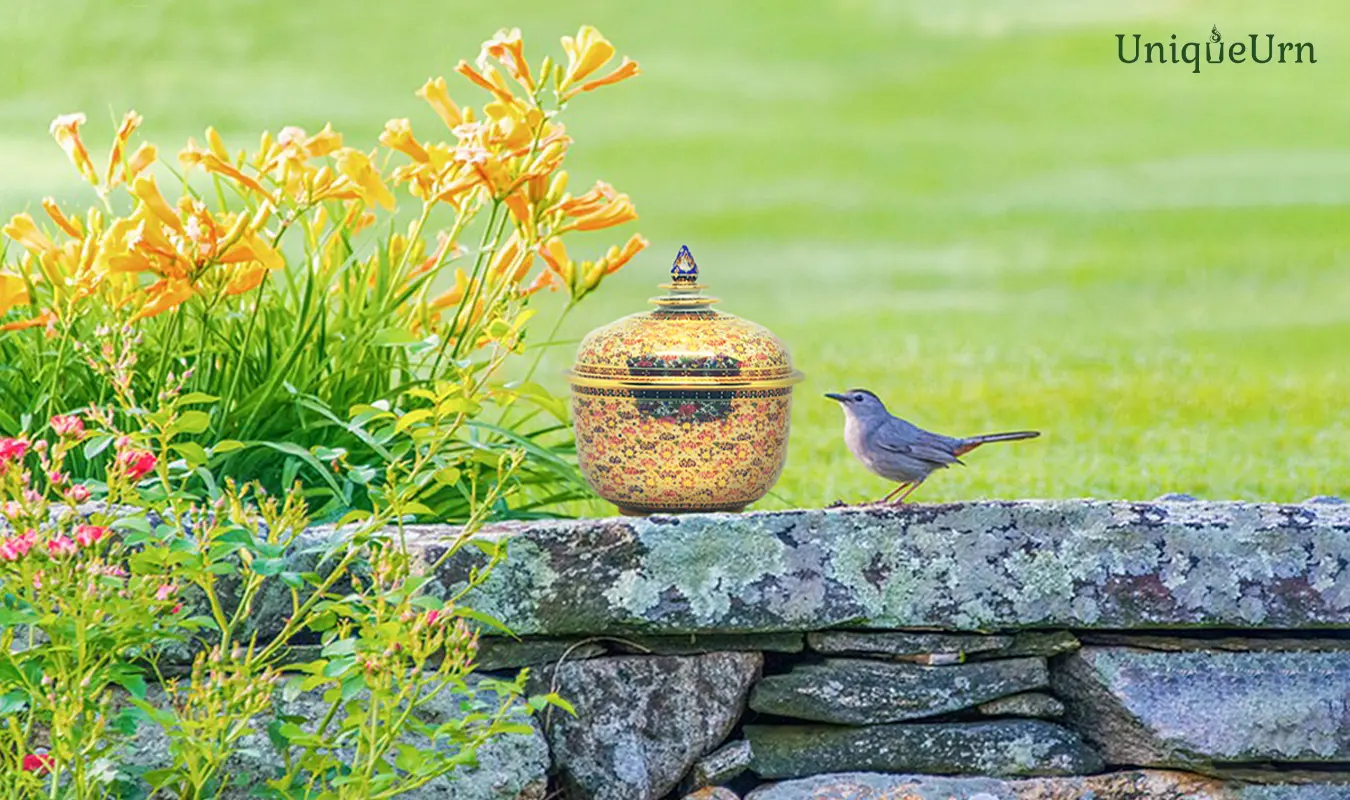
2. Aural: The Melody of Honesty and Deep Listening
Auditory Learners are acutely sensitive to the “tone of voice” and the “weight of silence.” Healing through sound is about creating a consistent rhythm of communication.
- The Sound of Honesty: Using direct words like “died” instead of confusing euphemisms builds a foundation of trust. It reassures the child that they can rely on the truth.
- Listening to Gratitude: When we share stories of the deceased with a tone of appreciation, the child absorbs the value of legacy through the cadence of our voice.
- Storytelling Therapy: Using narratives about the cycles of nature helps the child “hear” and accept that while goodbyes are inevitable, love remains a constant presence.
3. Read/ Write: Inscribing Love into the Future
For children who find comfort in the written word, moving emotions from the “heart to the fingertips” is the ultimate form of self-discovery.
- Emotional Release: Encourage journaling or writing “Letters to Heaven.” This allows the child to externalize heavy emotions into a physical format.
- Legacy Mapping: Create a “Memory Book” together. By documenting the wisdom and teachings of the loved one, the child feels the relationship hasn’t ended; it has been archived as a proud personal history.

4. Kinesthetic: Tactile Comfort and Transitional Objects
Kinesthetic Learners need physical action and “touch” to confirm that the world is still a safe place.
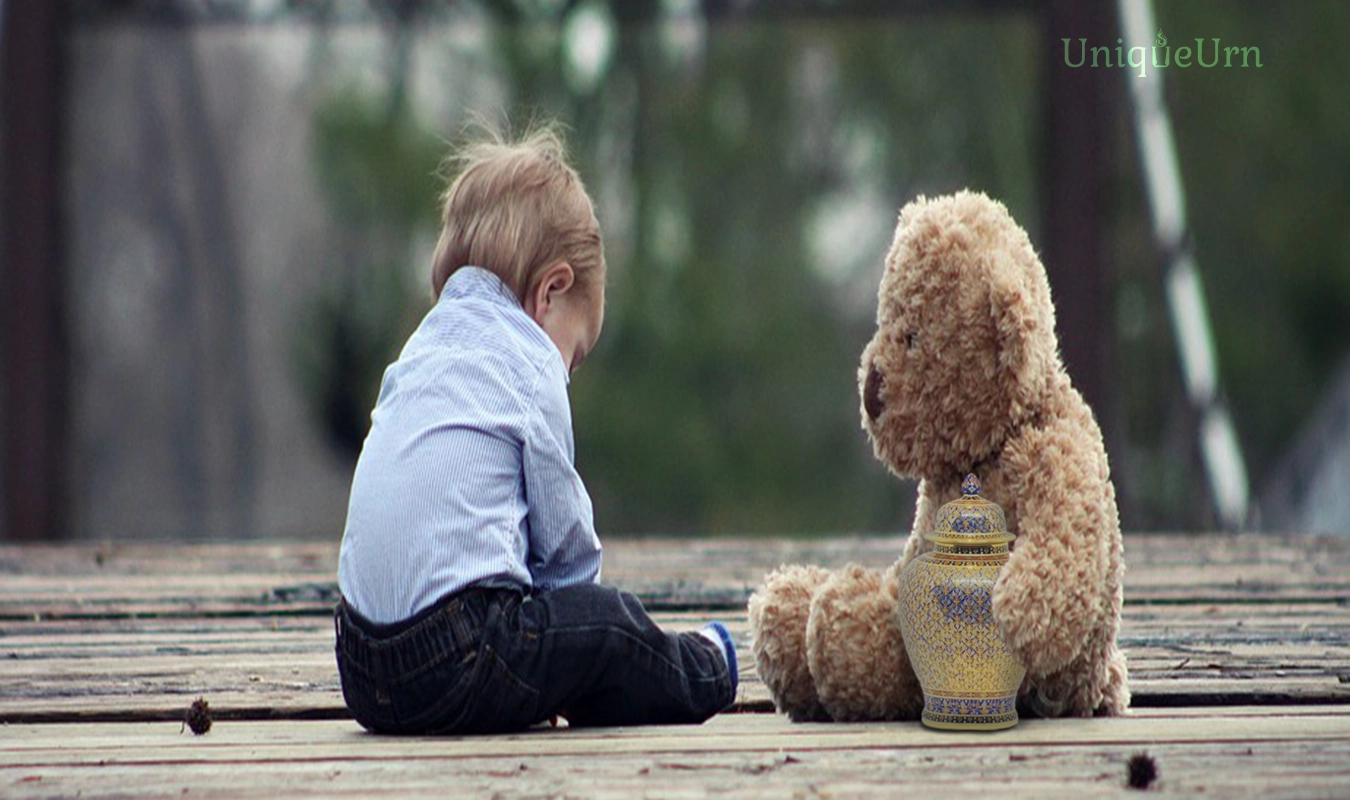
- Transitional Objects: In child psychology, a beautiful, tangible object acts as an anchor during times of separation. Touching the refined, smooth surface of a memorial piece provides a sense of being “held” and ensures the continuity of connection.
- Ritual Engagement: Involving children in small acts—arranging flowers, placing a memento, or caring for a memorial space—converts grief into active gratitude. These physical rituals provide a concrete model of healthy mourning and instill a sense of pride in their contribution.
Conclusion: When Art Becomes a Lifeline
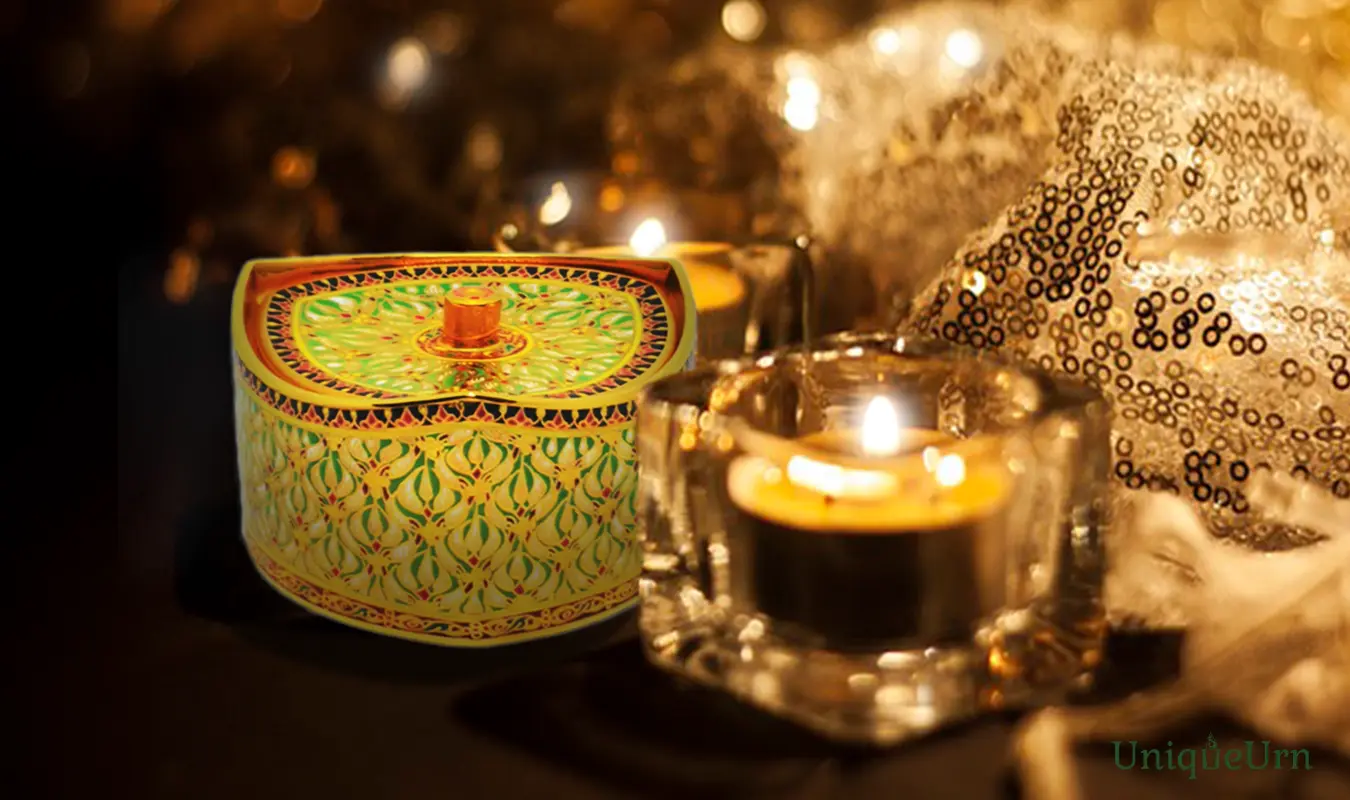
At UniqueUrn, we don’t see death as an end; we see it as a “transformation” of love. Every pattern we carve, and every texture we refine, is not just for a vessel—it is a deliberate act of craftsmanship by experienced artisans to create a “Healing Space” through the senses.
Our ultimate mission is to use high art as a medium to help you be the best role model for your children. Together, we preserve the spirit of your loved ones in the most dignified form, planting seeds of gratitude in the hearts of the next generation—ensuring that love and resilience grow stronger from one era to the next.

“Senses build resilience. Art heals the heart. When words are not enough to guide a family through loss, let » The beauty of a memorial tribute be the anchor your soul needs.“