
UniqueUrn
When Grief Is Love Still At Work: The Art Of Embracing Loss

Jun
The Trap of “Moving On”
When the storm of loss hits, the world often whispers—or shouts—the same advice: “Move on.” We are pressured to heal fast, walk forward, and tuck our sorrow away because grief is “uncomfortable” to witness.
But in her transformative book “Bearing the Unbearable,” Dr. Joanne Cacciatore reveals a different truth: The more we run from grief, the further we drift from reality and the very love we once shared. It’s time to break free from the “recovery” cage and learn how to transform loss into a profound source of life-affirming power.
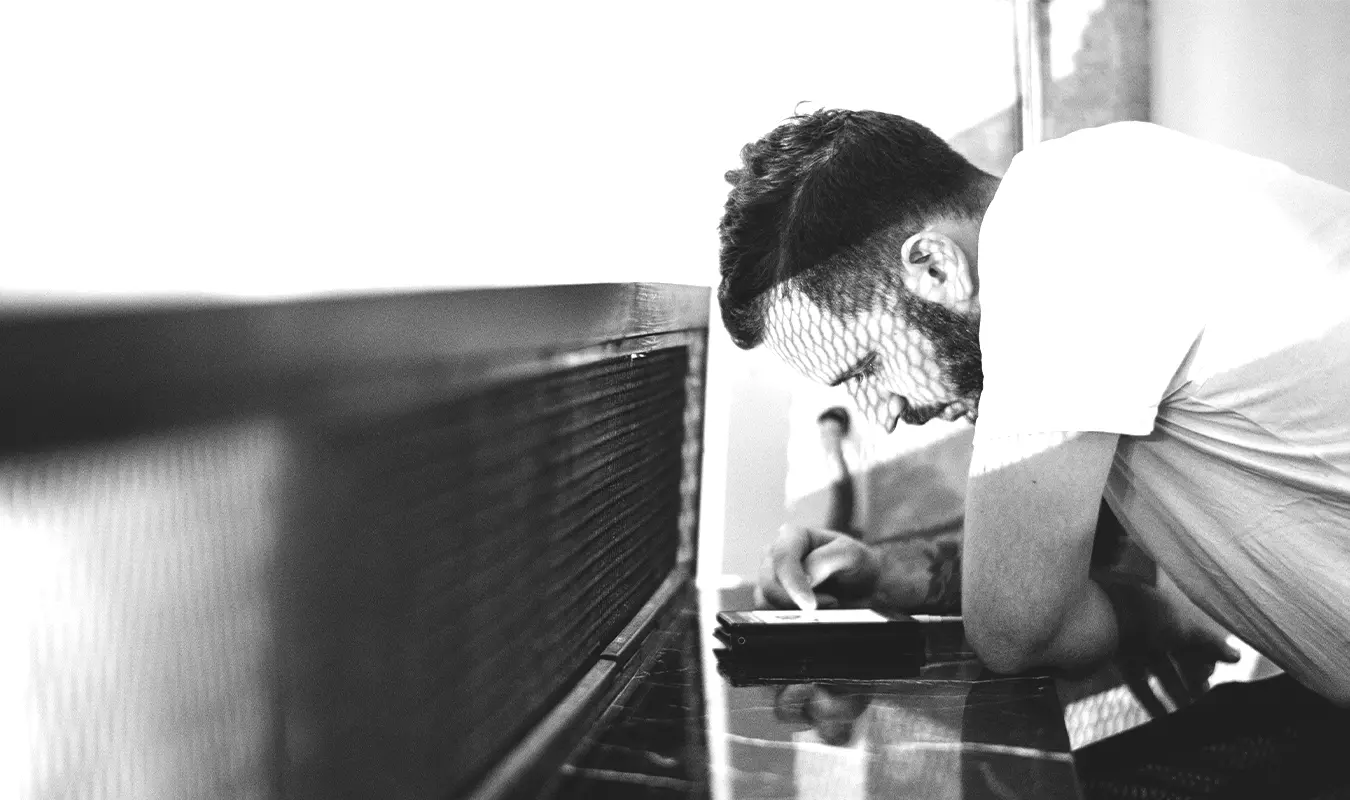
1. Debunking the 5 Stages: Grief has no Expiration Date
We’ve been conditioned to believe grief follows a linear path (Denial to Acceptance). In reality, grief is not a ladder; it’s a landscape.
- Grief is Not a Disease: It isn’t something to be “cured” or “fixed.”
- Integration over Recovery: Whether it has been 5 months or 10 years, feeling sorrow is not a sign of depression—it is the “evidence of love with nowhere to go.”
“Grief is not a task to be finished, but an experience to be integrated.” — It is not a chore to complete; it is a life-long rhythm to be woven into your soul.
2. The Selah Model: Stop Running, Sit with the Pain
True healing begins with “Selah“—a sacred pause for mindfulness.
- Being With: Instead of telling yourself “don’t think about it,” sit with your sorrow. Observe it with compassion, as if you are sitting beside a dear friend, without judgment.
- Transfiguring: By facing the pain, that raw energy slowly transfigures into acts of kindness or the creation of beautiful tributes that honor the departed.

3. Remembering is the Key to Freedom
- The Secret of Ending Suffering: Trying to forget is a form of “eternal exile.” True peace comes from “remembering with understanding.”
- Validate the Feeling: You may not accept the death yet, but you can accept the feeling—the anger, the longing, the void. Giving these emotions a home is the first step toward liberation.
4. Grief is the Other Side of Love
Love and grief are two sides of the same coin. You cannot have one without the potential for the other.
- The Inseparable Bond: To fully erase grief would be to erase the love that caused it.
- Total Humanity: Embracing your vulnerability makes you more empathetic and profoundly human. Only those who have known deep loss can truly understand the depth of the human heart.

5. Expanding the Heart’s Capacity
You cannot always shrink the grief, but you can “expand your heart” to hold it.
- Build Resilience: Use mindfulness to understand the impermanent nature of life.
- Avoid “Emotional Bypassing”: Rushing to feel “okay” only disconnects you from yourself, often resurfacing as unexplained irritability or burnout.
6. To the Supporters: Don’t Pull Them Up Too Fast
If you have a friend in mourning, they don’t need a judge; they need a witness.
- Warm Silence: Ignoring their grief is a silent weapon.
- Respect the Sanctuary: Everyone mourns differently—some keep a room untouched, others watch old videos daily. Never use your yardstick to measure someone else’s pain.
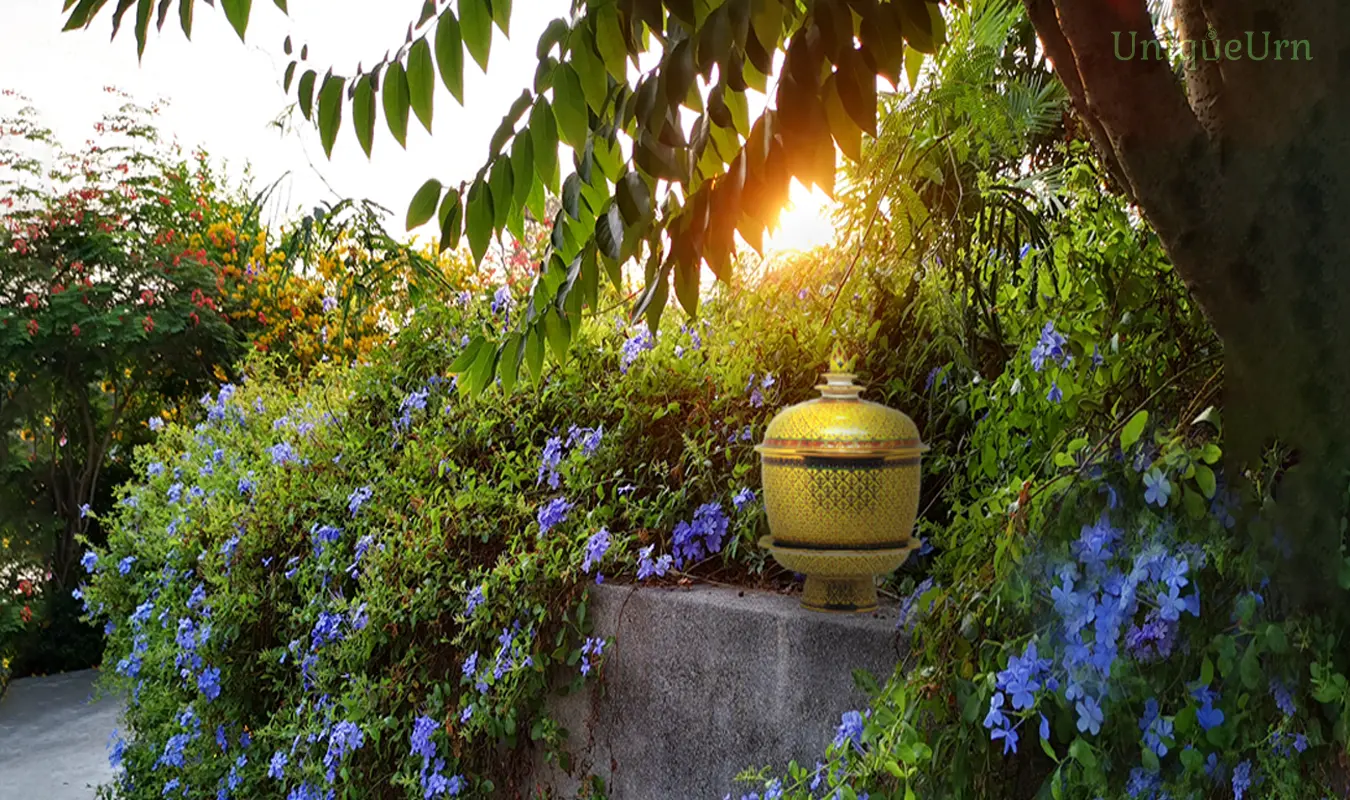
Continuing Bonds: Death Ends a Life, Not a Relationship
Healing doesn’t mean “cutting ties.” Modern psychology encourages “Continuing Bonds.“
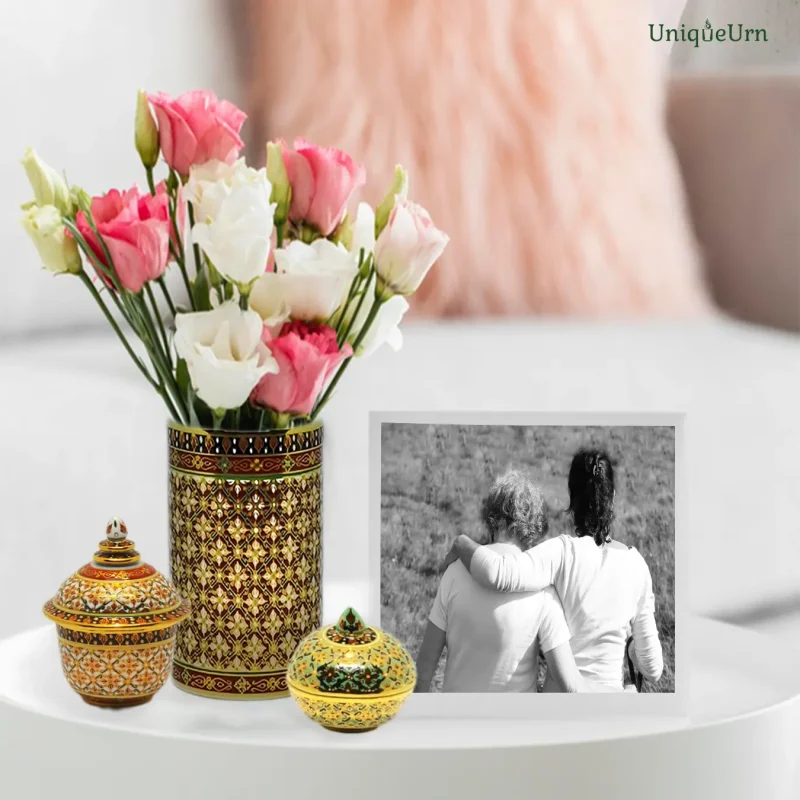
- Memorial Art: Creating a dedicated space or choosing a meticulously designed UniqueUrn Bencharong acts as a “Symbolic Bridge,” connecting your physical world to your emotional one.
- A Safe Haven: Seeing a beautiful tribute in your home tells your brain and heart that the connection is still safe. It isn’t scary; it’s a sanctuary.
Conclusion: Growing Through the Cracks
The goal of surviving loss isn’t to return to the “old you” before the tragedy. It is to grow into a “new you”—someone who understands the world more deeply and loves more fiercely.
“Grief is the high price we pay for the privilege of love.” At UniqueUrn, we are honored to help you create a lasting space for that love—one that is as beautiful and enduring as the memories you hold.
“Explore another perspective on finding strength: » Try Using Art to Heal Your Heart.”